
Stereolithography (SLA) Design Guide
Identify cosmetic faces, fine details, and support-sensitive surfaces before choosing an SLA resin and finish.
Get the Guide With Your QuoteBoValley provides SLA 3D printing for detailed prototypes, visual models, and complex parts that require fine features and a smooth surface finish. From early concept validation to presentation-ready models, we help turn your digital designs into physical parts for evaluation and refinement.
Overview
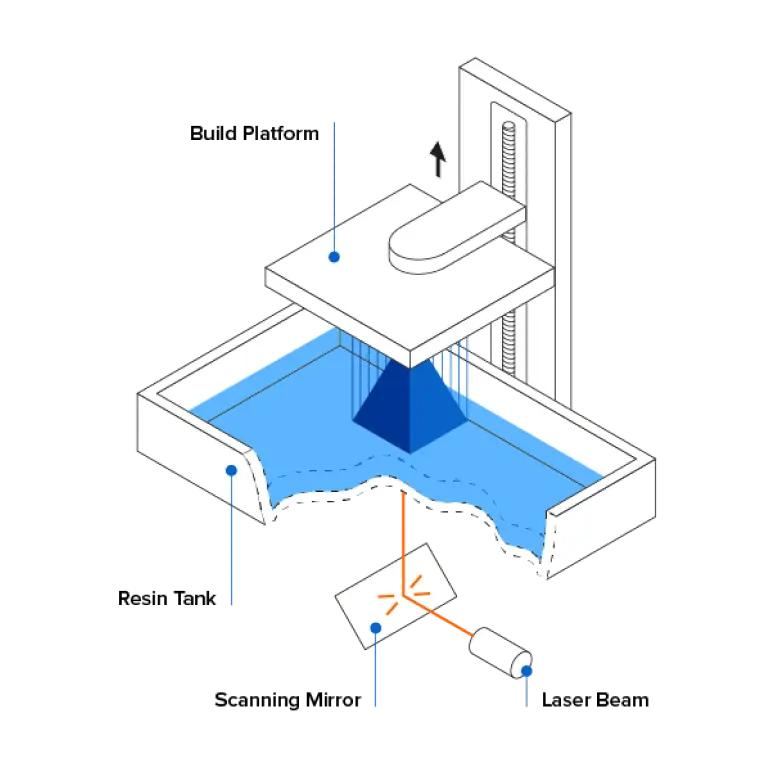
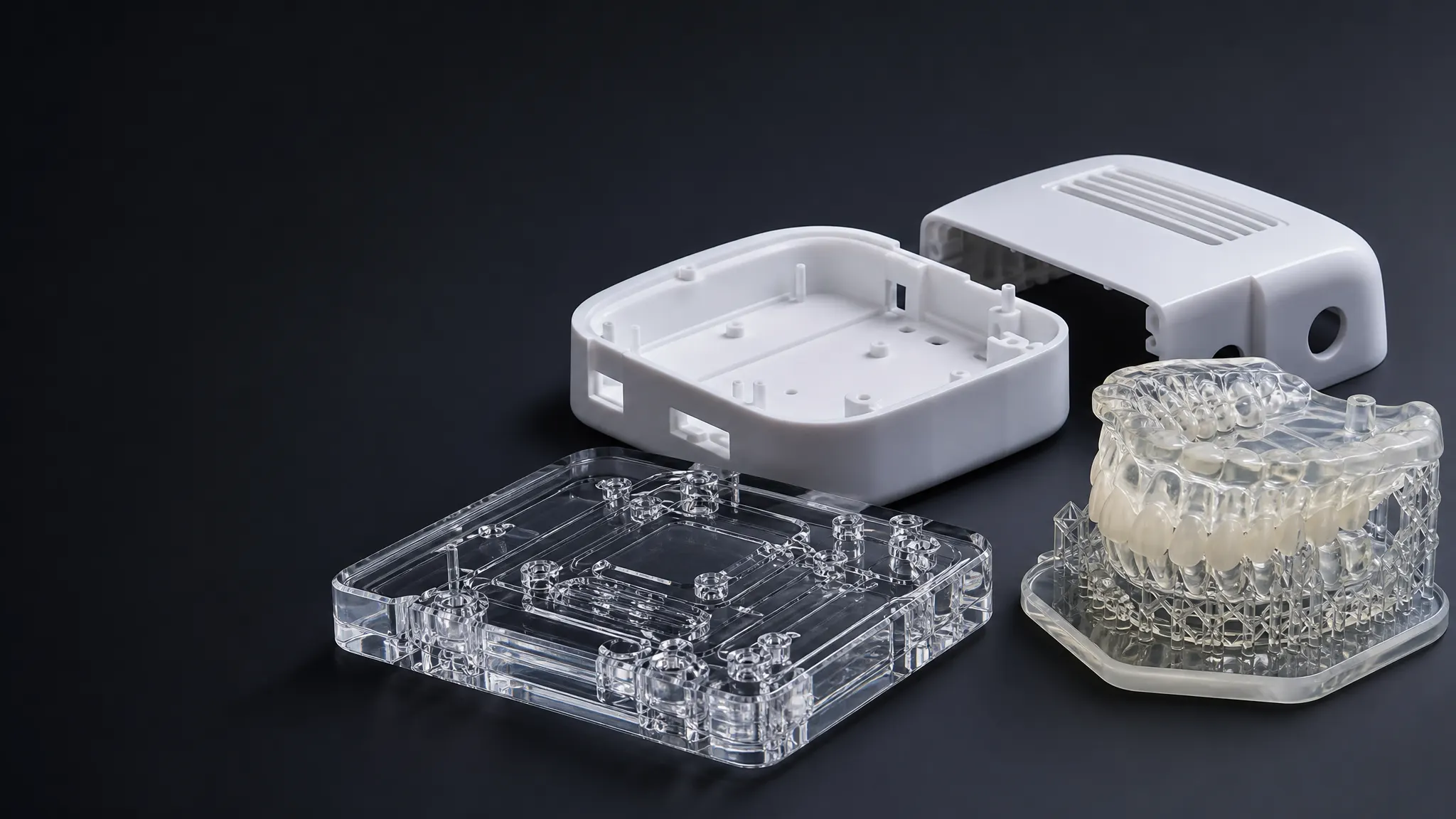
Stereolithography (SLA) is a resin-based additive manufacturing process that uses light to selectively cure liquid photopolymer resin layer by layer. It is well suited to parts with fine features, intricate surface details, and demanding visual presentation requirements.
After printing, parts typically undergo support removal, washing, and post-curing. Additional finishing may be available depending on the desired appearance and the selected resin.
Identify cosmetic faces, fine details, and support-sensitive surfaces before choosing an SLA resin and finish.
Get the Guide With Your QuoteReview build orientation, support contact, fine details and resin choice. Mark visible surfaces and mating features that will be checked after cleaning and curing.
 Materials
SLA parts require suitable support structures and post-curing. Wall thickness, unsupported features, drainage for hollow parts, and part orientation can affect accuracy, surface quality, and overall results.
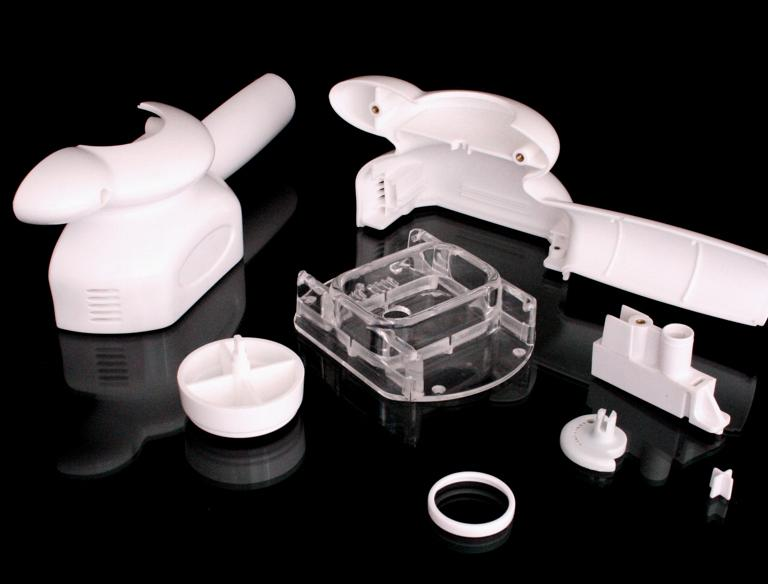
SLA material selection depends on the intended application, appearance, stiffness, toughness, and environmental requirements. Available resin options vary by process and equipment.
| Parameter | Typical Capability / Options |
|---|---|
| Process | Stereolithography (SLA) |
| Material Type | UV-curable photopolymer resins |
| Resin Options | Standard, tough, clear, and selected engineering resins, subject to availability |
| Build Size | Depends on the selected printer and part orientation |
| Dimensional Accuracy | Depends on geometry, resin, orientation, and post-processing |
| Surface Finish | Generally smooth; supports and layer-related effects may require finishing |
| Post-Processing | Washing, support removal, UV post-curing, sanding, painting or other agreed finishing |
| Typical Order Volume | Prototypes and selected small batches |
The Process
01. Design Review: Review the 3D file, critical details, orientation, and surface requirements. 02. Layer-by-Layer Printing: Build the component from photopolymer resin using a light-curing process. 03. Cleaning and Post-Curing: Remove residual resin, take off supports, and post-cure as required. 04. Finishing and Inspection: Check the finished parts against agreed dimensional and appearance requirements.
 Quality
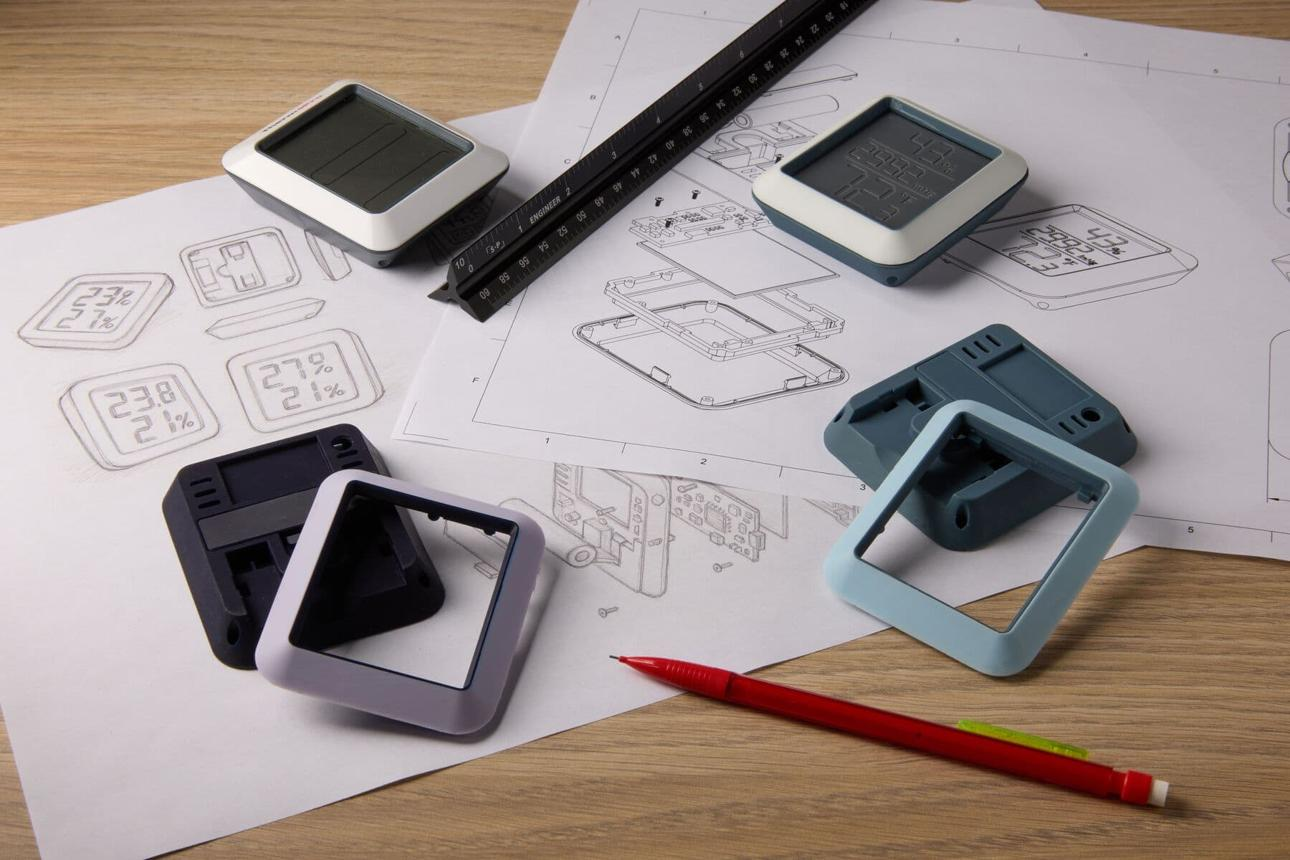
SLA is especially useful when visual quality, fine features, or detailed geometry are priorities during product development.
Review product shape, proportions, and visual design.
Prototype housings and components with intricate surface features.
Present product concepts to internal teams or stakeholders.
Evaluate fit and interface geometry, subject to material and process limitations.
Review instrument layouts, enclosure fit, and handling during product development.
Present fine detail and check the appearance of visible surfaces.
| Types of Parts | Function |
|---|---|
| Presentation models | Communicate detailed geometry and appearance. |
| Clearance models | Check component layout and mating features. |
| Lab equipment mockups | Evaluate ergonomics and enclosure fit during development. |
Upload your CAD file today — get a detailed quote with DFM feedback within 24 hours.