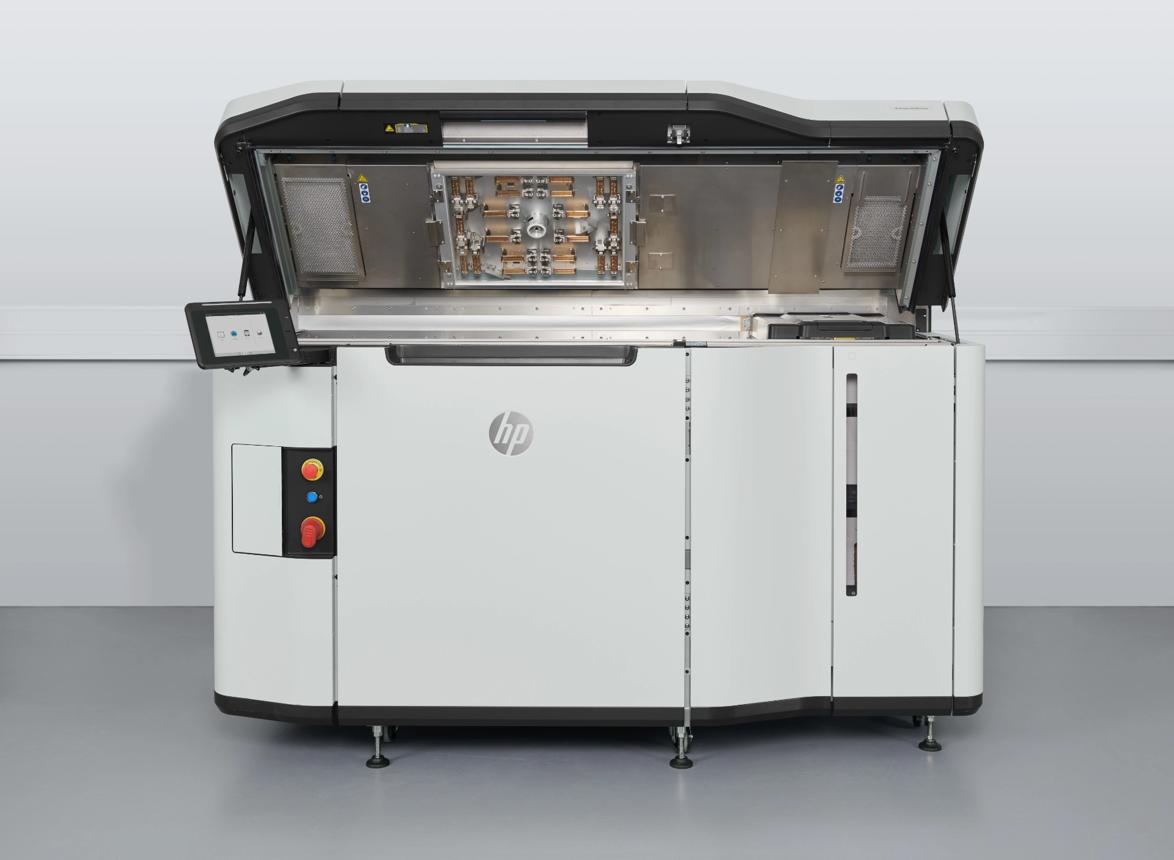
Multi-Jet Fusion (MJF) Design Guide
Review clearances, wall transitions, and powder escape paths when planning an MJF build.
Get the Guide With Your QuoteBoValley provides Multi Jet Fusion (MJF) 3D printing for functional plastic parts, design validation, and selected low-volume manufacturing projects. MJF is well suited to complex geometries and repeatable batches of nylon components when conventional tooling is not the preferred starting point.
Overview
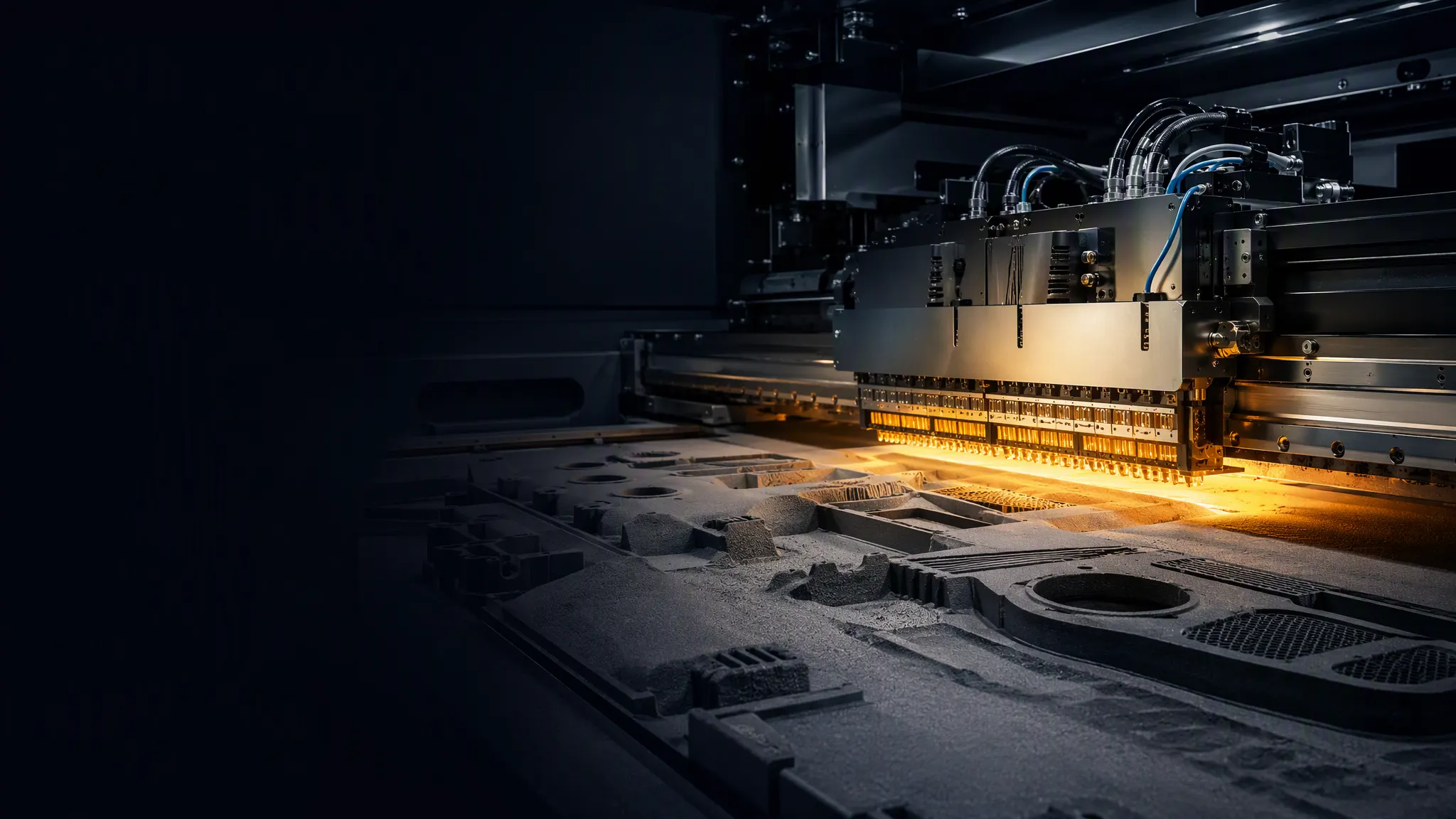
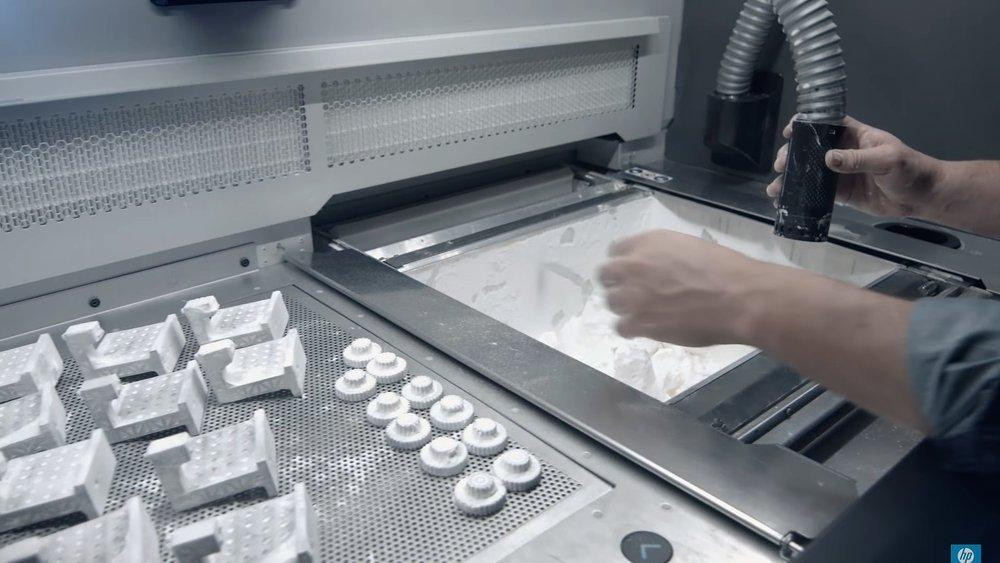
Multi Jet Fusion (MJF) is a polymer powder-bed fusion process. Fusing and detailing agents are selectively deposited across a powder layer, and heat is applied to fuse the material into a solid part. The process repeats layer by layer to form the component.
MJF is commonly associated with nylon-based functional parts. Its batch-oriented workflow can be useful when several components need to be produced together without investing in a dedicated injection mold.
Review clearances, wall transitions, and powder escape paths when planning an MJF build.
Get the Guide With Your QuoteMJF can be suitable for low-volume production of selected plastic parts, particularly when dedicated injection tooling is not justified.
 Materials
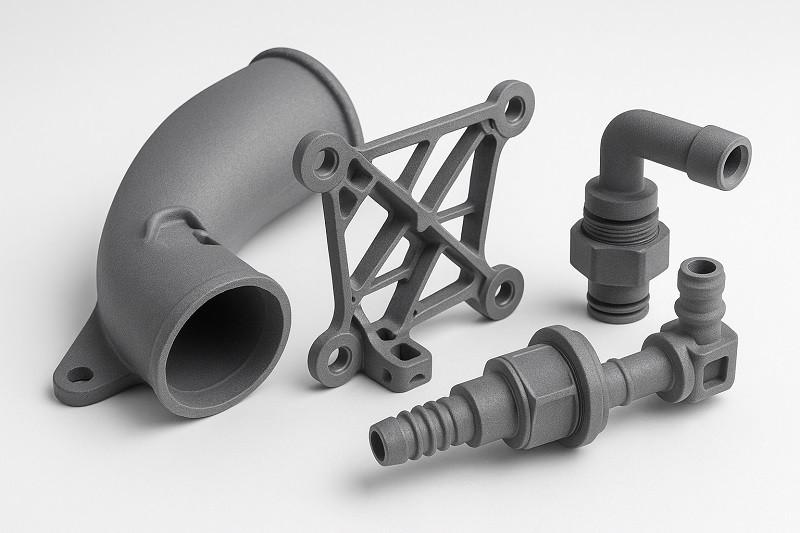
Start with a nylon grade compatible with the selected MJF platform. Review stiffness, flexibility, and surface requirements against the intended use.
Both MJF and SLS can produce complex functional plastic parts. The best choice depends on material availability, part geometry, dimensional requirements, surface finish, quantity, and total project cost.
| Parameter | Typical Capability / Options |
|---|---|
| Process | Multi Jet Fusion (MJF) |
| Material Type | Polymer powder |
| Common Materials | PA12, PA11, and selected filled PA12 grades, subject to system availability |
| Build Size | Depends on the printing system and part layout |
| Dimensional Accuracy | Depends on material, geometry, build conditions, and measurement method |
| Surface Finish | Generally matte; color and texture depend on material and finishing |
| Post-Processing | Powder removal, blasting, dyeing or other agreed finishing |
| Typical Order Volume | Functional prototypes and selected low-volume batches |
The Process
Design decisions should account for wall thickness, clearances, powder removal, part orientation, dimensional tolerances, and the intended mechanical function. Large flat surfaces and tightly fitted features may need special
 Quality
MJF is a strong candidate for functional plastic parts and selected low-volume batches where design flexibility and repeatable production planning matter.
Validate part geometry and mechanical concepts.
Manufacture selected housings, mounts, and structural parts.
Explore designs with integrated features and reduced part count.
Produce selected end-use components without injection mold investment.
Test housings, clips, and other plastic parts before tooling decisions.
Build handling and assembly aids with integrated locating features.
| Types of Parts | Function |
|---|---|
| Snap-fit housings | Check the fit and deflection of integrated fastening features. |
| Functional brackets | Evaluate load and assembly interfaces in nylon. |
| Assembly fixtures | Locate and hold parts during pilot assembly. |
Upload your CAD file today — get a detailed quote with DFM feedback within 24 hours.