

CNC Turning Design Review
Identify critical diameters, concentricity, and where tool access or workholding may affect the finished part.
Request a Design ReviewBoValley provides CNC turning solutions for custom shafts, bushings, sleeves, pins, spacers, threaded components and other rotational parts. Our project review focuses on critical diameters, bore features, concentricity, surface finish and material selection. From individual prototypes to repeat orders, we help assess the machining approach required by your part geometry and functional specifications.
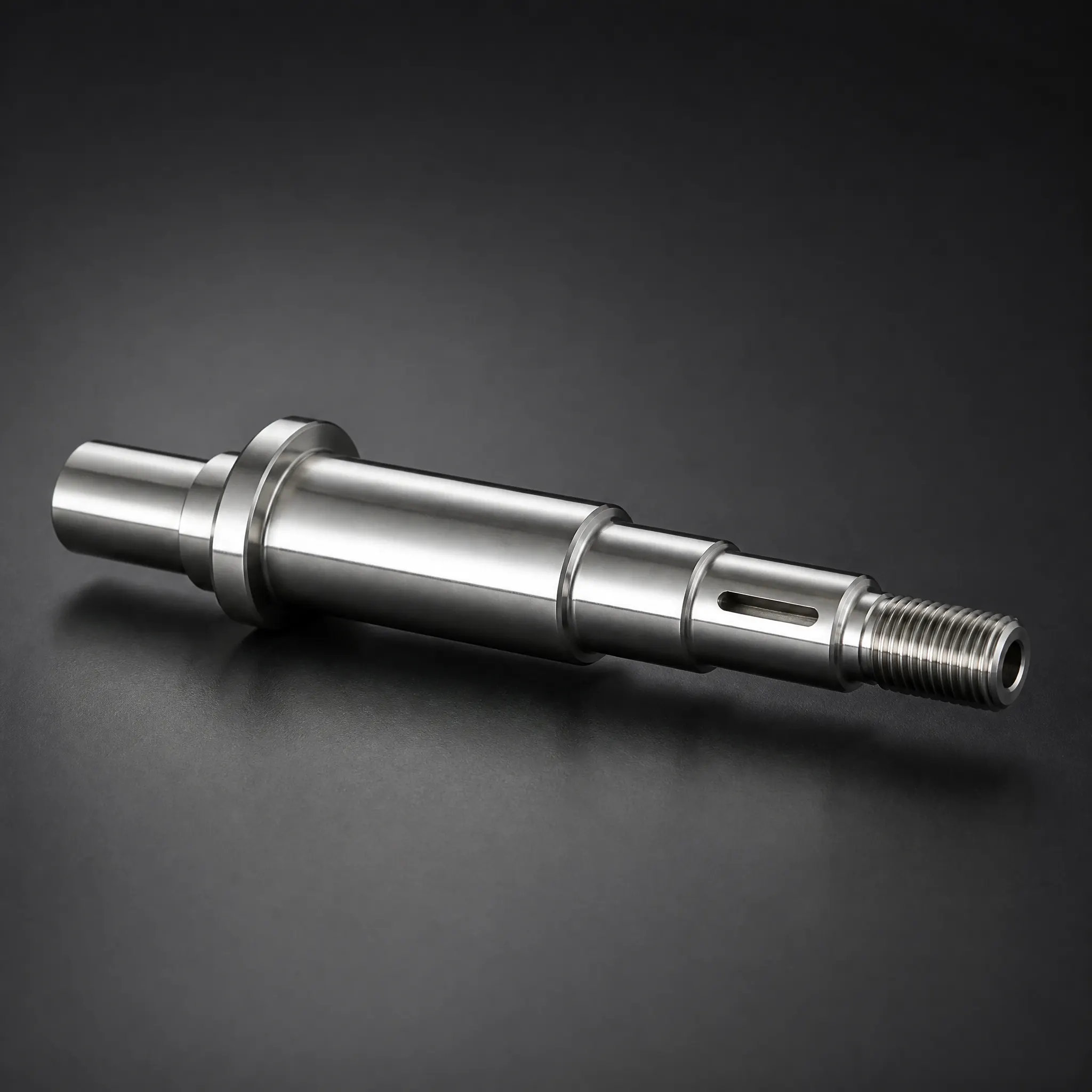
Overview
CNC turning shapes a rotating workpiece with cutting tools to create cylindrical surfaces, diameters, shoulders, grooves, bores and threads.
It is particularly suitable for parts whose geometry is primarily organized around a central axis. Depending on machine configuration, selected turned parts may also include milled flats, slots and cross-holes.
For components with demanding fits, the drawing should clearly identify critical diameters, datum features, concentricity, runout and surface finish requirements.
Identify critical diameters, concentricity, and where tool access or workholding may affect the finished part.
Request a Design ReviewDesign references show that achievable turning tolerances and feature limits vary by machine, geometry, material and setup; live-tooling features must also be confirmed for the selected equipment.
 Materials
Choose the stock and grade for the finished diameters, wear surfaces, and operating conditions. Review machinability and finish with the drawing.
Choose materials and finishes based on your part's mechanical properties, operating environment, appearance, and application requirements.
| Parameter | Project Considerations |
|---|---|
| Part geometry | Diameters, lengths, grooves, shoulders, and bores |
| Material | Aluminum, steel, stainless steel, brass, copper, and suitable plastics |
| Tolerances | Drawing-defined dimensional and geometric requirements |
| Surface finish | Specified surface quality for functional interfaces |
| Quantity | Prototype, low-volume, or production requirements |
| Inspection | Critical diameters, concentric features, and agreed documentation |
The Process
Secure the stock in a chuck or collet and rotate it against a cutting tool. Facing, turning, boring, grooving, and threading are selected from the drawing. Inspect the critical diameters, bores, and runout against the agreed requirements.
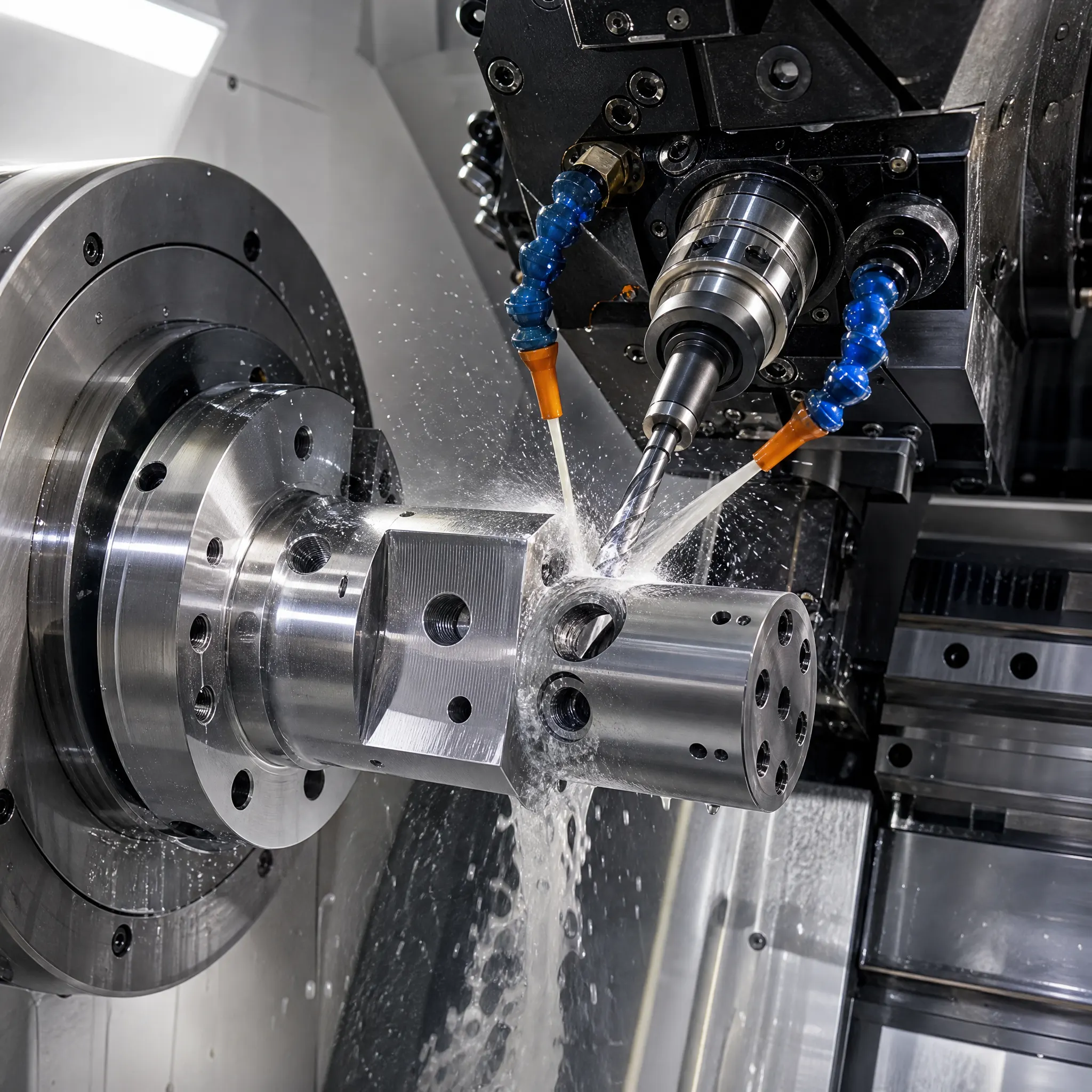 Quality
Turning is a natural starting point for shafts, bushings and threaded components whose key features share a centerline.
Shafts, pins, sleeves, and selected mechanical parts.
Bushings, fittings, connectors, and rotating components.
Suitable precision components for equipment assemblies.
Turned terminals, connectors, and conductive components.
Turned fittings, pins, threaded connectors and cylindrical interface components.
Rotational components for mechanical assemblies, motion systems and equipment.
| Types of Parts | Function |
|---|---|
| Shafts | Provide stepped diameters and locating journals. |
| Bushings and sleeves | Control the fit between bores and mating shafts. |
| Threaded adapters | Connect components through specified threads and seating faces. |
Share your CAD files and project requirements. An engineer will review the details and follow up with pricing and any manufacturability questions.